
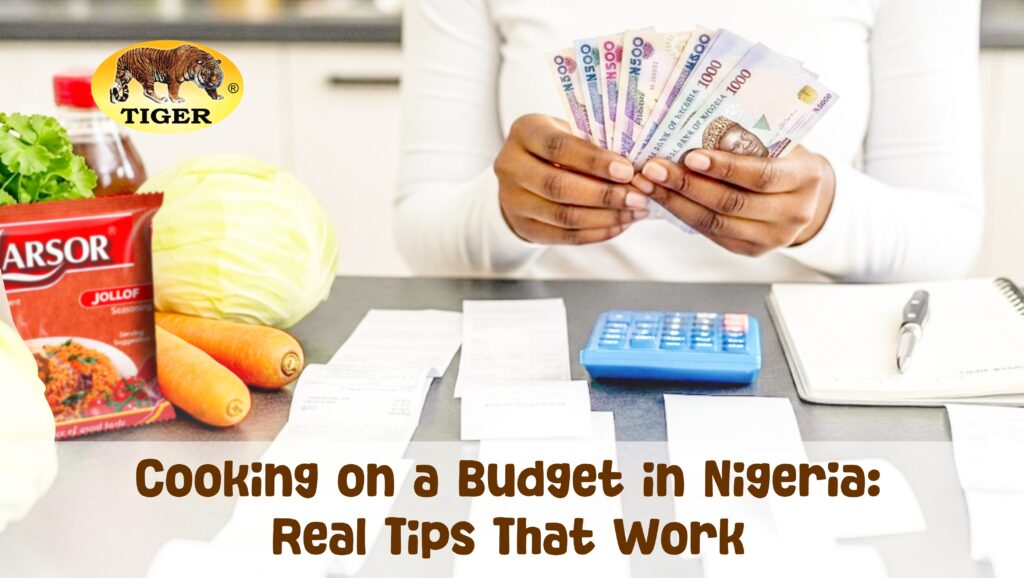
With the steady increase in the cost of living in Nigeria, arising mostly from fuel prices, which have invariably affected transportation and other daily expenses, food prices have not been left out.
What used to be affordable is now becoming a struggle for many households. You go to the market with a budget in mind, but somehow, it’s never enough.
In many Nigerian homes today, cooking is no longer just about what you feel like eating; it’s about what you can afford, how to make it last, and still keep it tasty.
So, what does cooking on a budget mean?
Let’s just say that it means preparing good, satisfying meals while spending as little as possible, without waste or unnecessary extras.
The good news? It’s very possible, and you can achieve that by doing the following:
1. Plan Your Meals Before Going to the Market
One major way Nigerians overspend on food is by buying without a plan.
Before stepping out:
• Decide what meals you’ll cook for the week
• Write a simple list
• Stick to that list, avoid impulse buying
Why it works:
It helps you control spending and avoid waste.
2. Buy Some Foodstuff in Bulk
Items like:
• Rice
• Beans
• Garri
• Yam (in tubers)
• Spices and seasonings
Buying in bulk is cheaper than buying in small quantities daily.
Real-life tip:
Partner with a friend or neighbour to share bulk purchases if you can’t afford it alone.
3. Cook Once, Eat Multiple Times
Cooking every day increases:
• Gas usage
• Time spent
• Money spent
Instead:
• Cook soups in large quantities
• Refrigerate and reheat when needed
• Prepare a stew that can last 3–5 meals
A quick hack:
One pot of stew can serve rice, yams, pasta, and even bread.
4. Choose Affordable Nigerian Food Alternatives
You don’t always have to cook the “expensive version” of meals.
Examples:
• Use beans instead of meat-heavy meals
• Cook egg sauce instead of beef stew sometimes
• Replace turkey with fish or ponmo
• Use seasoning smartly to boost taste
Tip:
Good seasoning can make simple food taste rich.
5. Shop Smart in Local Markets
Skip supermarkets when possible and try:
• Local markets (cheaper foodstuffs)
• Evening markets (discount prices)
• Roadside sellers for fresh produce
Pro tip:
Prices are often lower when you buy early in the morning or close to closing time.
6. Reduce Food Waste at Home
Wasting food = wasting money.
Simple habits:
• Store vegetables properly
• Reuse leftovers creatively
• Don’t cook more than necessary
7. Cook More at Home, Eat Out Less
Buying food outside regularly drains money fast.
That ₦2,000 meal outside could cook food that lasts 2–3 days at home.
Reality check:
Eating out should be a treat, not a daily habit.
8. Use Simple Ingredients, Maximise Taste
You don’t need plenty of ingredients to cook well.
Focus on:
• Already blended ingredients like Tiger Chilli Pepper and Tiger Garlic make cooking stress-free and help with proper preservation.
• Quality seasoning
• Proper cooking methods
The Fact:
Even the simplest meals can taste amazing when cooked right.
Cooking on a budget in Nigeria is not about suffering; it’s about being smart.
With proper planning, smart shopping, and simple cooking tricks, you can:
• Feed your home well
• Save money
• Still enjoy delicious meals
Because at the end of the day, good food isn’t about how expensive it is… It’s about how well you make it.
We hope this will help you in many ways. Do well to share this with your friends, like and comment.

