
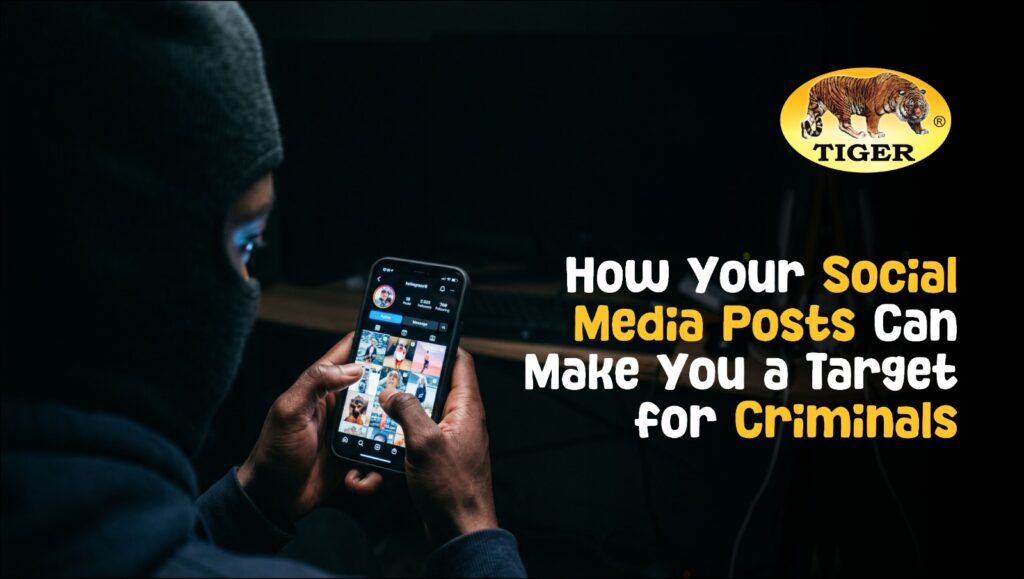
We live in an era where sharing our daily lives online feels completely natural.
We post when we’re excited, when we’re bored, or when we just look good in a new outfit.
But honestly, we need to talk about how much information we’re putting out there, because the wrong people are paying close attention.
Think of it this way: you wouldn't stand in the middle of a busy market in Lagos or Aba and shout your home address, your daily schedule, and exactly how much money is in your bank account, right?
When we post without thinking, that’s exactly what we’re doing online.
Here is a breakdown of how our everyday social media habits can inadvertently make us targets, and how we can protect ourselves.
- Sharing Real-Time Location Sharing
We’ve all done it. You’re at a beautiful new restaurant, a beach party, or a lounge, and you immediately post a photo with the location tagged.
The Risk: When you post exactly where you are in real time, you are telling the world two dangerous things: exactly where to find you right now and exactly where you aren't (your home is currently empty).
Solution: Enjoy the moment first. Take all the photos you want, but wait until you leave the venue or even until you get back home before you upload them. Let people know where you were, not where you are.
- Showing Off the New 'Bling' (Flashy Wealth)
It feels amazing to celebrate our wins, whether it’s a brand-new iPhone, designer shoes, a luxury watch, or a new car.
The Risk: In Nigeria today, kidnappers and armed robbers use social media to profile victims.
They look for accounts that scream money. When you post expensive items constantly, you’re basically putting a giant neon sign over your head that says, 'I am worth targeting.'
Solution: You can celebrate your success without showing every single receipt. If you do post your new car, blur out the license plate. If you’re showing off a luxury item, keep your privacy settings strict, so only trusted friends can see it.
- The 'Airport Flex' (Holiday Countdown)
Nothing beats the excitement of packing your bags and heading out of the country or taking a trip to another state. The classic photo of a passport and boarding pass at the airport is a staple on our feeds.
The Risk: This is a goldmine for burglars. You are officially announcing, 'Hey, my house will be empty for the next two weeks!'
Even worse, boarding passes contain barcodes that tech-savvy criminals can scan to get your full legal name, financial details, and flight information.
Solution: Keep the trip low-key until you return. Post your beautiful vacation pictures as a 'throwback' once you’re safely back in your own bed.
- Oversharing Routine Details
Do you post your morning workout route every day? Do you take a photo of your kids in their school uniforms? Do you post about your daily traffic frustrations on the same bridge every morning?
The Risk: Criminals love predictable patterns.
If a bad actor can figure out your daily routine just by scrolling through your profile, it becomes incredibly easy for them to plan an ambush, a carjacking, or a track-down.
Solution: Mix things up and keep your specific daily habits off the internet. Avoid posting photos that clearly show the logo of your child's school or the exact front view of your house.
- Tagging Your Family Members
When you tag Mum, Dad, and your siblings in family photos, you are helping criminals map out your entire support system.
If a kidnapper picks you up, they instantly know exactly who to call, who the soft targets are, and how to pressure your family for ransom.
Solution: Don't tag family members in public posts. Keep those relationships offline.
- Showing the Outside of Your House
Taking a selfie on your balcony or a video in your compound might seem innocent.
However, visible landmarks, the colour of your gate, or the unique structure of your street can help someone find your exact address using online maps.
Solution: Keep your backgrounds neutral. Inside shots with the curtains drawn are much safer.
- The Trap of Fake PR Packages
We all love a good freebie, and it’s exciting when a brand reaches out to send you a PR package. But you must ask yourself: who is really behind that keyboard?
The Risk: Kidnappers and criminals now set up fake online vendor pages or pretend to be brand managers. They will slide into your DMs offering free clothes, makeup, or drinks, just to ask for your full name, phone number, and home address for 'delivery.' Once you give them that info, you’ve literally handed them the roadmap to your front door.
The Solution: Treat your home address like your BVN, don't just give it out to anyone.
If a brand reaches out, verify their page thoroughly. Look for real customer reviews, check how long the page has been active, and if you're still unsure, use a public pickup hub or a nearby landmark for the delivery instead of your actual house.
Privacy is luxury, and safety is peace of mind. You don't need to stop using social media; you just need to be smart with it.
Have you ever caught yourself oversharing on social media? Which of these tips stands out most to you? Share this with a friend so they can stay safe too!

